Few historical figures capture the imagination quite like the samurai. Clad in distinctive armor, wielding the iconic katana, and bound by the stringent Bushido Code, these warriors of feudal Japan epitomize honor, skill, and unwavering resolve. It’s no wonder they’ve become perennial favorites in video games, offering a rich tapestry for storytelling and thrilling combat. But when it comes to open-world samurai experiences – where the vast, beautiful landscapes of Japan are yours to explore – how do they truly compare to other open-world & samurai games on the market? Let’s draw our blades and find out.
At a Glance: What You’ll Discover
- Variety is the Spice of Bushido: From gritty realism to whimsical fantasy, open-world samurai games offer diverse interpretations of feudal Japan.
- Combat Takes Center Stage: Whether you prefer precise duels, Musou-style hack-and-slash, or a blend of stealth and swordplay, there's a combat system for you.
- Worlds of Wonder: Expect breathtaking visuals, historical accuracy (or creative interpretations), and environments that range from dense cities to sprawling islands.
- Narrative Nuances: Games explore themes of honor, revenge, political intrigue, and personal choice, often intersecting with real historical events and figures.
- Top Contenders: Ghost of Tsushima sets a high bar, but newer titles like Rise of the Ronin and even quirky entries like Way of the Samurai 4 offer unique twists.
The Allure of the Ronin's Path: Why Open-World Samurai?
Samurai games have long captivated players, but traditionally, many of these experiences were linear, guiding you through a pre-defined narrative. While excellent (think the precision and challenge of Sekiro: Shadows Die Twice, though it leans open-ended rather than truly open-world), they don't offer the freedom of a sprawling landscape. The advent of open-world mechanics has allowed developers to deepen the samurai fantasy, letting you truly inhabit the role of a wandering warrior, a guardian of the innocent, or a force for change in a meticulously crafted historical setting.
Imagine galloping across cherry blossom fields, scaling snow-capped mountains, or silently stalking foes through bamboo forests—all as a master swordsman. This immersion is what sets open-world samurai games apart, merging the iconic warrior archetype with boundless exploration and player agency. But what criteria should we use when pitting these digital legends against each other?
Decoding the Samurai's Open World: What Makes a Game Stand Out?
When evaluating open-world samurai games, it's not just about the sharpness of your katana. A truly exceptional title balances several crucial elements, each contributing to an unforgettable experience.
Combat: The Heart of the Warrior
This is arguably the most critical aspect. How satisfying does it feel to clash blades? Is it about precise parries and dodges, button-mashing spectacle, or a strategic blend of both? We look for depth, responsiveness, and a sense of impact in every strike. Some games lean into realistic sword fighting, while others embrace more fantastical or over-the-top styles. Exploring the intricacies of samurai combat mechanics can reveal how different titles approach this core challenge.
Narrative & Character: The Soul of Bushido
A samurai's journey is often one of honor, sacrifice, and difficult choices. Does the story draw you in? Are the characters compelling, and do their struggles resonate? We're interested in how well the game explores themes of the Bushido Code, personal conviction, revenge, and the complexities of feudal Japan. This includes the protagonist's internal conflict and their interactions with a world undergoing dramatic change.
Open World Design: The Canvas of Exploration
Beyond just being "big," a great open world is dense, engaging, and alive. Is it beautiful to behold? Does it offer meaningful side quests and activities that encourage exploration, rather than just filler? We assess map size, environmental diversity, level of detail, and how effectively the world serves the game's narrative and gameplay mechanics.
Historical Authenticity vs. Creative Freedom
Some games strive for painstaking historical accuracy, meticulously recreating historical periods and figures. Others use feudal Japan as a springboard for fantastical tales or alternate histories. Neither approach is inherently superior, but it's important to understand a game's intent and how well it executes its chosen path. Understanding the rich history of samurai in video games often shows a blend of both.
Ranking the Legends: A Deep Dive into Open-World Samurai Titles
Let's dissect the current crop of open-world samurai games, comparing their unique strengths and weaknesses to help you decide where to invest your precious time (and yen).
1. Ghost of Tsushima: The Cinematic Masterpiece
Ghost of Tsushima isn't just an open-world samurai game; it's a love letter to samurai cinema, and for many, it truly set the standard for the genre. Sucker Punch’s 2020 masterpiece plunges you into a fictional tale set during the very real Mongolian invasion of Japan, specifically on the breathtaking island of Tsushima.
You play as Jin Sakai, a samurai torn between his honor-bound traditions and the brutal pragmatism needed to save his home. This internal conflict—honor versus survival—is the beating heart of the game. Combat here is a masterclass: simple to learn but incredibly deep, excelling in both tense 1v1 duels (think Sekiro's precision) and fluid crowd control (reminiscent of Assassin's Creed). It truly shines on higher difficulties, demanding mastery of parries, dodges, and opportune strikes.
But Ghost of Tsushima's strongest point is undeniably its world. Tsushima island is a character in itself, boasting breathtaking scenery—golden fields, ancient forests, serene hot springs, and vibrant autumn leaves. A minimalist HUD encourages you to soak it all in, guided by the wind itself. The cinematography is superb, and the soundtrack perfectly blends tranquility with battlefield intensity.
The Sequel: Ghost of Yotei
The upcoming Ghost of Yotei promises to refine these ideas further. Expect an expanded combat system with more weapon types, offering even greater variety. The setting will shift to incorporate stunning mountain scenery, potentially creating vistas even more awe-inspiring than Tsushima. Crucially, the sequel aims to improve open-world optional content, making exploration and side activities feel more engaging and less like checklist items.
2. Rise of the Ronin: Combat Depth Meets Historical Intrigue
From the seasoned developers at Team Ninja (Nioh, Ninja Gaiden) comes Rise of the Ronin, an open-world action RPG that takes you to a fictionalized historical Japan during the turbulent Bakumatsu period. This era marks the reopening of Japan’s borders to foreign forces, a time rife with political unrest, xenophobia, and nationalism.
The narrative skillfully weaves in historical figures from various factions, allowing you to meet and align with different sides of this momentous conflict. Combat, as expected from Team Ninja, is central and incredibly deep. Sword fighting hinges on a "Ki" gauge, which you must carefully manage for both offense and defense against agile, aggressive enemies. It has a steep learning curve but is immensely rewarding once you master its nuances.
Beyond the blade, Rise of the Ronin introduces a compelling "bond system" that rewards you for investing time in NPCs. This adds a layer of social depth, making your choices and relationships feel more impactful within the sprawling, war-torn landscape. It’s a game for those who crave challenging combat and a rich, historically charged atmosphere.
3. Assassin's Creed Shadows: Shinobi & Samurai in a Familiar Formula
Ubisoft's long-awaited entry into feudal Japan arrives with Assassin's Creed Shadows. This open-world adventure allows players to choose between two distinct protagonists: Yasuke, a powerful samurai, and Naoe, a nimble shinobi. While Yasuke offers competent, hack-and-slash combat and a compelling real-world backstory, many players might find themselves gravitating towards Naoe, making the experience often lean more into ninja stealth and agility.
Visually, Assassin's Creed Shadows is a stunner. The open world is consistently beautiful, showcasing the intricate architecture of Japanese castles, the serenity of temples, and vibrant natural environments, easily ranking among Ubisoft's most impressive visual achievements. The story is adequate, serving as a backdrop for the dual-protagonist gameplay and the expansive world, though it might not be considered a standout narrative masterpiece. It delivers the signature Assassin's Creed blend of exploration, historical tourism, and action with a distinctly Japanese flavor.
4. Like a Dragon: Ishin!: Yakuza's Edo Period Take
The beloved Yakuza series, known for its modern Tokyo streets and brawling antics, takes a dramatic leap back in time with Like a Dragon: Ishin!. Set in the Edo Period's tumultuous final days, this game puts you in the shoes of Sakamoto Ryoma, a disgraced ronin on a quest for vengeance.
While the setting is historical, the gameplay remains distinctly Yakuza. Expect a blend of stylish sword fighting (replacing fists) and surprising gunplay (though the latter can feel a bit half-baked at times). The dense, medium-sized city open world is rich in personality and content, bursting with the series' signature blend of serious drama, hilarious side quests, and engaging local politics and criminal underworlds. It might not offer a vast wilderness to explore, but its tightly packed urban environment is brimming with life and things to do. If you appreciate quality drama, hysterical action, and a unique take on evolving trends in open-world game design, Ishin! is an absolute blast.
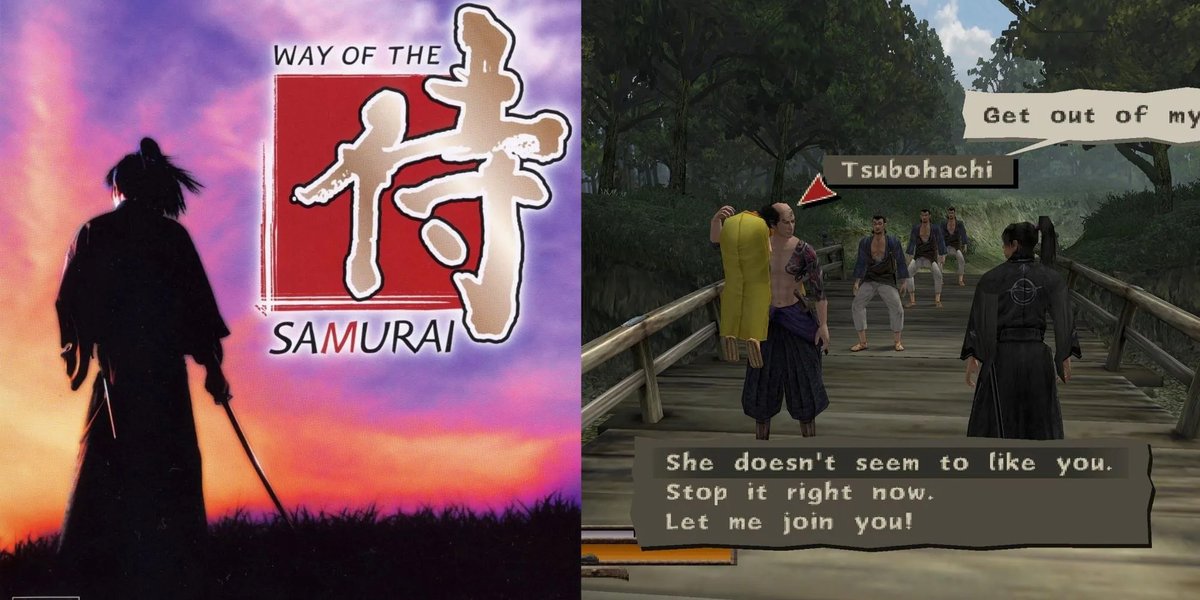
5. Way of the Samurai 4: The Quirky Path of Choice
For a truly unique and choice-driven experience, look no further than Way of the Samurai 4. This game drops you into the fictional port town of Amihama as a wandering samurai (ronin) caught between a militant government, fiercely discriminatory nationalists, and encroaching British forces.
What sets Way of the Samurai 4 apart is its emphasis on player choice and replayability. While you can complete a single playthrough in just a few hours, the game is designed for multiple runs, each revealing different storylines, factions, and a multitude of endings based on your decisions. It features surprisingly deep combat, allowing for various stances and weapon styles, but it’s often overlooked due to the game's quirky sense of humor and deliberately anachronistic elements. If you’re seeking a game where your actions genuinely shape the world and your own destiny, and don't mind a dash of absurdity, this title offers an amusing take on how the Bushido Code influences game narratives.
6. Fate/Samurai Remnant: Musou Mayhem in Historical Edo
Part of the expansive Fate franchise but designed as a standalone action RPG, Fate/Samurai Remnant transports players to the historical city of Edo, Japan – a refreshing change from the series' usual modern settings. You embody Miyamoto Iori, a descendant of the legendary Miyamoto Musashi, as you participate in a brutal death tournament for the ultimate prize: the Waxing Moon, an artifact similar to the Holy Grail.
Combat is a high-octane affair, delivered in typical Musou fashion, where you’ll slice through hordes of enemies with satisfying flair. Iori dual-wields katanas and can seamlessly switch between combat stances, further enhancing the dynamic action. He also commands a powerful Saber-class Servant, Yamato Takeru, allowing for devastating special attacks and strategic interplay. The game's open world connects the plot directly to a real historical period and place, a distinctive feature within the Fate universe that gives it a unique identity among other Fate titles and open-world samurai games.
Beyond the Blade: Unique Flavors and Approaches
Looking across these titles, it’s clear that "open-world samurai" isn't a monolithic genre. Each game brings its own unique flavor to the table:
- Cinematic Realism: Ghost of Tsushima excels at delivering a high-fidelity, emotionally resonant experience reminiscent of Kurosawa films.
- Hardcore Combat: Rise of the Ronin caters to players who crave challenging, deep combat systems that demand mastery.
- Open-World Exploration: Assassin's Creed Shadows provides a vast, visually stunning playground, albeit with a familiar Ubisoft template.
- Urban Drama & Humor: Like a Dragon: Ishin! injects the distinct Yakuza personality and side-quest shenanigans into a historical setting.
- Player Choice & Replayability: Way of the Samurai 4 prioritizes narrative branching and consequences, making each playthrough a fresh journey.
- Fantasy & Action: Fate/Samurai Remnant blends historical backdrops with supernatural elements and flashy, Musou-style combat.
Choosing Your Katanas: A Guide to Picking Your Next Adventure
With such a varied roster, how do you decide which open-world samurai game is right for you? Consider these questions:
- What kind of combat do you prefer?
- Strategic & Deliberate: Ghost of Tsushima (especially on higher difficulties), Rise of the Ronin.
- Fast-Paced & Flashy (Musou-style): Fate/Samurai Remnant.
- Balanced Hack-and-Slash with Stealth: Assassin's Creed Shadows.
- Brawling with Blades: Like a Dragon: Ishin!.
- Deep but Quirky: Way of the Samurai 4.
- What kind of story excites you?
- Epic, Emotional, & Character-Driven: Ghost of Tsushima.
- Historically Rich with Political Intrigue: Rise of the Ronin, Like a Dragon: Ishin!.
- Choice-Driven & Consequential: Way of the Samurai 4.
- Fantasy Elements with Historical Backdrop: Fate/Samurai Remnant.
- How important is the open world itself?
- Vast & Breathtaking Natural Landscapes: Ghost of Tsushima, Assassin's Creed Shadows.
- Dense & Personality-Filled Cities: Like a Dragon: Ishin!.
- Historical Setting with Fantasy Elements: Fate/Samurai Remnant.
- Focused & Replayable: Way of the Samurai 4.
The Future of Feudal Japan in Gaming
The landscape for open-world samurai games is vibrant and expanding. With Ghost of Tsushima having set a high bar, and newer titles like Rise of the Ronin and Assassin's Creed Shadows adding their unique interpretations, players have more choice than ever before. The blend of historical reverence, compelling narratives, and engaging combat ensures that the allure of the samurai remains as potent as ever. We can only anticipate even grander, more immersive experiences as developers continue to explore the exciting future of historical gaming within this rich setting.
Whether you're drawn to the honor of a samurai, the stealth of a shinobi, or simply the breathtaking beauty of feudal Japan, there's an open world waiting for your blade. Pick your path, master your technique, and embark on an adventure worthy of legend.